
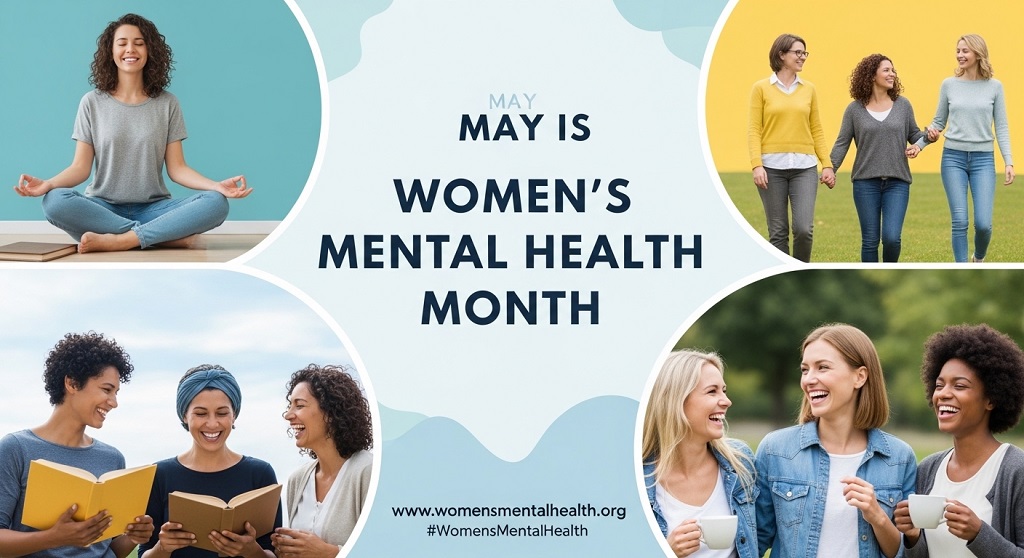
When Is Women’s Mental Health Month? Dates & Facts
Women’s mental health is often discussed only during crises, not consistently across the year. Yet millions of women experience anxiety, depression, trauma exposure, caregiving stress, hormonal transitions, and workplace pressure simultaneously. Awareness campaigns exist to change that pattern and encourage prevention, treatment, and social understanding.
When Is Women’s Mental Health Month?
Snippet Answer: Women’s Mental Health Month is observed every May in the United States and many awareness campaigns globally. It overlaps with Mental Health Awareness Month and highlights mental health challenges unique to women, including hormonal transitions, caregiving stress, trauma exposure, and gender-based health disparities.
Answer Block: Women’s Mental Health Month takes place in May each year. It aligns with Mental Health Awareness Month and focuses on psychological challenges that disproportionately affect women. Organizations use this period to promote screening, education, early intervention, and support resources tailored specifically to women’s mental wellbeing.
Women’s Mental Health Month is not a standalone global holiday with a single governing body. Instead, it is widely recognized as part of broader Mental Health Awareness Month initiatives led by healthcare organizations, advocacy groups, universities, and public health agencies.
The timing matters because awareness campaigns concentrate media coverage, funding conversations, and community outreach into a single period. That increases screening participation and encourages earlier treatment engagement.
May also includes multiple related observances that reinforce the theme:
- Maternal Mental Health Awareness Week
- National Women’s Health Week
- Mental Health Awareness Month
- International Day of Action for Women’s Health (May 28)
Together, these events create a coordinated opportunity to discuss emotional wellbeing across life stages, including adolescence, pregnancy, menopause, and aging.
Why Does Women’s Mental Health Month Matter?
Answer Block: Women’s Mental Health Month matters because women experience higher rates of anxiety, depression, trauma exposure, caregiving stress, and hormonal mental health changes. Awareness campaigns improve early diagnosis, reduce stigma, increase treatment access, and encourage policymakers to address gender-specific psychological health disparities.
Women face mental health risks that differ significantly from men. Biological transitions, social expectations, caregiving responsibilities, and economic inequality all influence psychological outcomes.
For example, research consistently shows women are nearly twice as likely to experience major depressive disorder. Anxiety disorders also appear more frequently in women across most age groups.
Awareness months exist to close the gap between need and treatment. Many women delay care because of stigma, financial barriers, or caregiving obligations.
Campaigns during May focus on three measurable outcomes:
- Encouraging mental health screening
- Improving access to therapy resources
- Reducing cultural stigma
These outcomes directly influence long-term wellbeing, workplace participation, and family stability.
What Mental Health Challenges Affect Women Most?
Answer Block: Women are more likely than men to experience depression, anxiety disorders, postpartum depression, eating disorders, and trauma-related conditions. Hormonal transitions, caregiving roles, and social inequality increase psychological stress exposure across adolescence, adulthood, pregnancy, and menopause.
Mental health challenges affecting women often combine biological and environmental factors. These risks accumulate rather than occur separately.
Common conditions include:
- Major depressive disorder
- Generalized anxiety disorder
- Postpartum depression
- Premenstrual dysphoric disorder
- Eating disorders
- PTSD after violence exposure
Hormonal shifts influence mood regulation through changes in estrogen and progesterone levels. These transitions occur during puberty, pregnancy, postpartum recovery, and menopause.
Social roles also increase risk exposure. Women frequently balance employment, caregiving, and domestic responsibilities simultaneously. That multitasking burden contributes to chronic stress.
Economic inequality further compounds vulnerability. Limited access to healthcare services reduces early diagnosis rates, especially in underserved communities.
Awareness campaigns highlight these layered risks to promote earlier support intervention.
How Is Women’s Mental Health Month Observed Globally?
Answer Block: Women’s Mental Health Month is observed through screenings, educational campaigns, workplace initiatives, maternal health programs, community workshops, and digital awareness events. Governments, hospitals, nonprofits, and advocacy groups collaborate to improve mental health literacy and expand access to treatment resources.
Different regions observe the month differently depending on healthcare infrastructure and policy priorities. However, most campaigns follow similar outreach strategies.
Common initiatives include:
- Free psychological screening programs
- Maternal mental health education sessions
- Online awareness campaigns
- University workshops
- Policy advocacy meetings
Employers increasingly participate by offering workplace mental health seminars and flexible wellness programs during May.
Healthcare providers also use the month to promote routine emotional health checkups alongside physical examinations.
Digital platforms now play a major role. Social media campaigns extend awareness beyond geographic limitations and reach younger audiences more effectively.
What Role Do Hormones Play in Women’s Mental Health?
Answer Block: Hormones influence mood regulation, stress response, and emotional stability across women’s life stages. Estrogen and progesterone fluctuations during puberty, pregnancy, menstruation, postpartum recovery, and menopause can increase vulnerability to anxiety, depression, and mood instability.
Hormonal variation affects neurotransmitters responsible for emotional regulation. These include serotonin, dopamine, and gamma-aminobutyric acid.
During pregnancy, hormone levels rise rapidly. After childbirth, they drop sharply. That shift contributes to postpartum depression risk.
Similarly, menopause introduces long-term hormonal decline. Many women report sleep disruption, irritability, and mood changes during this transition.
Hormones do not cause mental illness alone. Instead, they increase sensitivity to stress triggers.
Understanding these biological influences helps clinicians design more effective treatment strategies, including therapy timing and medication adjustments.
How Can Individuals Support Women’s Mental Health During May?
Answer Block: Individuals can support Women’s Mental Health Month by encouraging screenings, sharing educational resources, promoting workplace wellness, supporting caregivers, and discussing mental health openly. Small actions increase awareness, reduce stigma, and help women access professional care earlier.
Support begins with awareness but must lead to measurable action.
Effective steps include:
- Encouraging therapy conversations
- Sharing verified mental health resources
- Checking in with caregivers
- Supporting maternal wellbeing
- Advocating workplace flexibility
Employers can improve mental health outcomes significantly by adjusting workload expectations and offering counseling access.
Families also play a critical role. Emotional support networks reduce isolation and improve recovery outcomes.
Even small interventions increase early treatment engagement rates.
What Organizations Promote Women’s Mental Health Awareness?
Answer Block: Organizations promoting Women’s Mental Health Month include national health institutes, maternal health alliances, mental health nonprofits, universities, and advocacy networks. These groups coordinate screenings, research campaigns, educational programs, and policy initiatives to improve gender-responsive mental healthcare access worldwide.
Several institutions lead awareness efforts globally and regionally.
| Organization Type | Main Contribution | Impact Area |
|---|---|---|
| Public Health Agencies | Policy development | National awareness campaigns |
| Universities | Research studies | Evidence-based interventions |
| Maternal Health Alliances | Postpartum screening | Early diagnosis programs |
| Nonprofit Networks | Community workshops | Grassroots awareness |
Collaboration among these organizations ensures awareness campaigns translate into real healthcare improvements rather than symbolic recognition alone.
How Does Women’s Mental Health Month Connect to Maternal Mental Health?
Answer Block: Women’s Mental Health Month includes maternal mental health awareness because pregnancy and postpartum recovery significantly increase depression and anxiety risk. Campaigns during May promote screening access, family education, and early intervention to reduce long-term psychological complications for mothers and children.
Maternal mental health is one of the most urgent focus areas during May campaigns.
Postpartum depression affects millions of mothers annually worldwide. Yet screening rates remain lower than recommended clinical guidelines.
Untreated maternal mental health conditions influence both mother and child outcomes. These include attachment challenges, developmental risks, and long-term emotional stress.
Awareness initiatives encourage routine postpartum psychological checkups alongside physical recovery visits.
Education also helps families recognize early warning signs such as persistent sadness, sleep disruption, and emotional withdrawal.
Early support improves recovery rates significantly.
Conclusion: Why Awareness in May Leads to Real Change
Women’s Mental Health Month takes place every May, but its purpose extends beyond a calendar observance. It exists to close the gap between mental health needs and access to care.
Women experience unique psychological pressures across biological transitions, caregiving roles, and workplace responsibilities. Awareness campaigns help identify those risks earlier and reduce stigma around treatment.
Communities benefit when women receive timely mental health support. Families stabilize. Workplaces improve productivity. Healthcare systems reduce crisis interventions.
The most effective way to participate is simple: encourage screening, share accurate information, support caregivers, and normalize conversations about emotional wellbeing.
If awareness turns into action, Women’s Mental Health Month becomes more than recognition. It becomes prevention.
Frequently Asked Questions
Is Women’s Mental Health Month recognized worldwide?
Women’s Mental Health Month is most formally observed in the United States during May, but many countries participate through broader Mental Health Awareness Month initiatives and maternal health awareness campaigns.
Is Women’s Mental health month different from Mental Health Awareness Month?
Women’s Mental Health Month overlaps with Mental Health Awareness Month but focuses specifically on gender-related mental health risks such as hormonal transitions, caregiving stress, trauma exposure, and maternal wellbeing challenges.
When is Maternal Mental Health Awareness Week?
Maternal Mental Health Awareness Week usually occurs during the first full week of May and highlights postpartum depression, pregnancy anxiety, and emotional wellbeing after childbirth.
Why are women more likely to experience depression?
Women experience higher depression rates due to hormonal fluctuations, caregiving stress, trauma exposure risk, economic inequality, and social expectations that increase chronic psychological strain.
How can workplaces support women’s mental health in May?
Employers can offer counseling access, flexible schedules, stress-management workshops, and parental support programs that improve mental health outcomes during Women’s Mental Health Month.
Does menopause affect mental health?
Menopause can influence mood stability because declining estrogen levels affect neurotransmitters responsible for emotional regulation, increasing vulnerability to anxiety, sleep disruption, and depression symptoms.
What is the goal of Women’s Mental Health Month campaigns?
The primary goal is to increase screening participation, reduce stigma, improve treatment access, and educate communities about psychological conditions that disproportionately affect women.
Read More Also: How to Lower High Blood Pressure Naturally (Safe Plan)
Learn More: How to Pick the Best Sippy Cup for a 1-Year-Old