
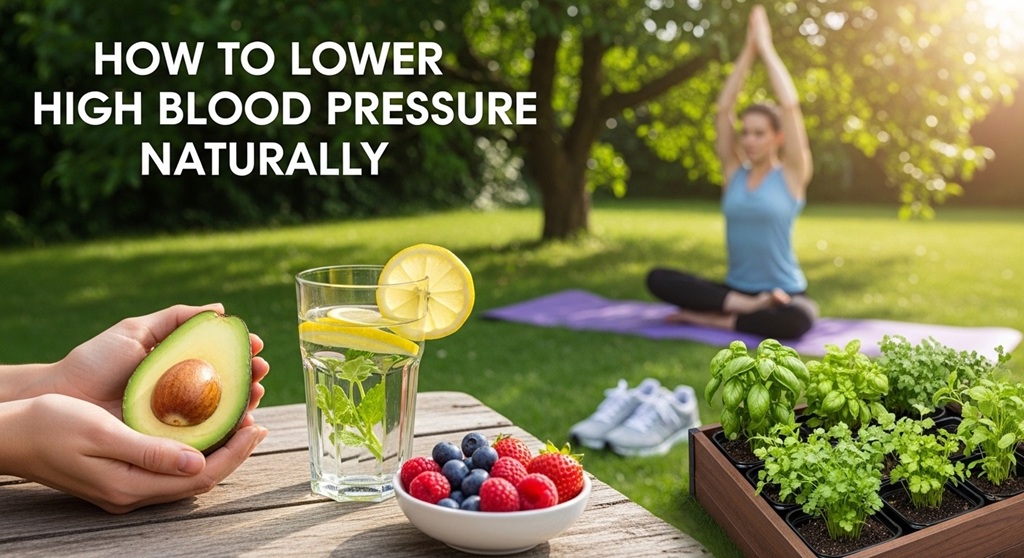
How to Lower High Blood Pressure Naturally (Safe Plan)
High blood pressure (hypertension) is a common yet serious health issue affecting millions worldwide. If left unmanaged, it can lead to heart disease, stroke, and kidney problems. But don’t worry—there are safe, natural ways to lower blood pressure without relying solely on medications.
In this article, we will discuss practical and natural solutions to help you manage and lower your blood pressure effectively. Let’s dive in!
What Is High Blood Pressure and Why Is It Dangerous?
High blood pressure occurs when the force of blood against your artery walls is too high. Over time, this pressure can cause serious damage to your arteries, heart, and other organs.
Why is it dangerous? Uncontrolled high blood pressure is called a “silent killer” because it often shows no symptoms until it’s too late. Left untreated, it can lead to serious conditions such as heart disease, stroke, kidney failure, and more.
What Are the Natural Ways to Lower High Blood Pressure?
There are several natural ways to lower high blood pressure effectively. Here’s a breakdown of the best options:
- Eat a Healthy Diet
- Exercise Regularly
- Manage Stress
- Reduce Salt Intake
- Quit Smoking
- Limit Alcohol Consumption
- Improve Sleep Quality
How Does Eating a Healthy Diet Help Lower High Blood Pressure?
Eating a balanced diet is one of the most effective ways to naturally lower blood pressure. Diets rich in fruits, vegetables, whole grains, and lean proteins can help maintain healthy blood vessels and reduce hypertension.
Foods rich in potassium, magnesium, and fiber—such as leafy greens, bananas, and beans—are especially helpful in reducing blood pressure. Reducing your intake of sodium and processed foods is equally important to keep hypertension at bay.
What Foods Should You Eat to Lower Blood Pressure?
Here are the foods to include in your diet:
- Leafy greens: Kale, spinach, and Swiss chard.
- Fruits: Bananas, oranges, berries, and apples.
- Whole grains: Oats, quinoa, and brown rice.
- Lean proteins: Fish, poultry, and plant-based proteins like tofu.
- Legumes: Lentils, beans, and chickpeas.
How Does Regular Exercise Help Reduce High Blood Pressure?
Regular physical activity is a powerful tool in managing blood pressure. When you exercise, your heart becomes stronger, allowing it to pump blood more efficiently, which can help reduce pressure on your arteries.
Aim for at least 30 minutes of moderate exercise—such as brisk walking, cycling, or swimming—most days of the week. Not only will it lower blood pressure, but it will also improve overall cardiovascular health.
What Types of Exercise Are Best for Lowering Blood Pressure?
- Cardiovascular exercise: Walking, cycling, swimming, jogging.
- Strength training: Weightlifting or resistance training.
- Yoga: Can reduce stress and promote relaxation.
- Stretching: Increases circulation and reduces tension.
How Does Stress Affect Blood Pressure, and How Can You Manage It?
Stress is a major contributor to high blood pressure. When you’re stressed, your body releases hormones that increase your heart rate and constrict your blood vessels, causing your blood pressure to rise.
Finding ways to manage and reduce stress is key to maintaining healthy blood pressure levels. Simple techniques like deep breathing, meditation, and mindfulness exercises can significantly lower stress and, in turn, blood pressure.
Effective Ways to Reduce Stress for Lower Blood Pressure
- Deep breathing exercises: Slow, deep breaths help reduce stress and promote relaxation.
- Meditation: Practices like mindfulness meditation have been shown to lower blood pressure.
- Progressive muscle relaxation: Tense and relax muscles to reduce tension.
- Spending time outdoors: Nature walks or sitting in a calm environment can lower stress levels.
How Does Reducing Salt Intake Lower High Blood Pressure?
Reducing your intake of sodium is one of the most important steps you can take to lower blood pressure. Sodium causes the body to retain water, which increases the volume of blood in your blood vessels and raises blood pressure.
Try to limit your sodium intake to 1,500 milligrams per day. Avoid processed foods, canned soups, and packaged snacks, which are often high in sodium.
What Are Some Tips to Reduce Salt in Your Diet?
- Read food labels: Look for low-sodium or no-salt-added options.
- Use herbs and spices: Flavor your food with herbs, garlic, and spices instead of salt.
- Cook fresh foods: Preparing meals at home gives you more control over your salt intake.
- Avoid fast food: Fast food is typically high in sodium.
How Can Quitting Smoking Lower Blood Pressure?
Smoking damages the blood vessels, causing them to narrow and raise your blood pressure. If you smoke, quitting can immediately improve your cardiovascular health and lower your blood pressure.
Within a year of quitting, your risk of heart disease and stroke drops significantly, and your blood pressure levels may return to normal. If you need help quitting, consider counseling, support groups, or nicotine replacement therapy.
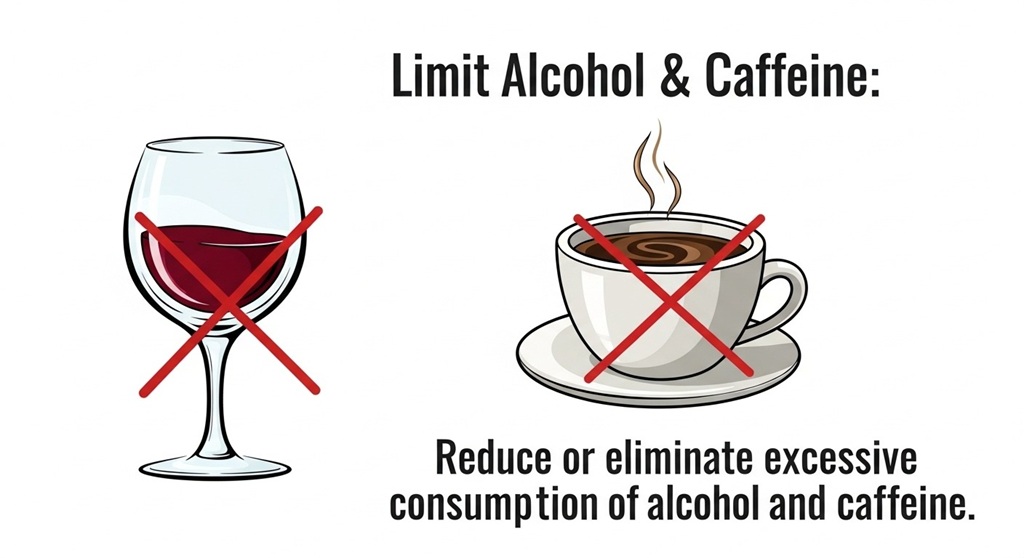
How Does Alcohol Affect Blood Pressure, and How Can You Limit It?
Drinking too much alcohol can raise your blood pressure. Alcohol increases the levels of certain chemicals in your body that can affect your blood vessels and blood pressure.
The key to controlling blood pressure is moderation. Men should limit alcohol to two drinks per day, while women should limit it to one.
Tips for Cutting Back on Alcohol
- Track your alcohol intake: Keep a journal of how much you drink.
- Choose low-alcohol beverages: Opt for drinks with lower alcohol content.
- Set a limit: Determine a reasonable amount and stick to it.
How Can Improving Sleep Quality Help Lower Blood Pressure?
Getting enough restful sleep is crucial for lowering high blood pressure. Poor sleep can lead to higher levels of stress hormones, which can raise blood pressure.
Ensure you’re getting 7–9 hours of sleep per night, and focus on creating a sleep-friendly environment by keeping your room cool, dark, and quiet.
Tips for Better Sleep
- Stick to a sleep schedule: Go to bed and wake up at the same time each day.
- Limit screen time: Avoid electronics at least an hour before bed.
- Create a bedtime routine: Relax with a warm bath or meditation.
Conclusion: A Safe Plan to Lower High Blood Pressure Naturally
Lowering high blood pressure naturally is possible with a holistic approach. By making dietary changes, exercising regularly, managing stress, reducing salt, quitting smoking, limiting alcohol, and improving sleep, you can manage your blood pressure safely and effectively.
Remember, consistency is key. Start small, implement one change at a time, and you’ll see the positive effects on your health. If you have concerns, always consult a healthcare provider for personalized advice.
Call to Action
Ready to take control of your health? Start incorporating these tips today, and subscribe to our blog for more health and wellness content!
FAQ
Can drinking water lower high blood pressure?
Yes, staying hydrated helps maintain proper blood flow and circulation, which can naturally lower blood pressure.
Does meditation lower blood pressure?
Yes, regular meditation can significantly reduce stress and lower blood pressure by promoting relaxation and mindfulness.
What’s the best exercise for high blood pressure?
Cardiovascular exercises like walking, swimming, and cycling are excellent for lowering blood pressure and improving heart health.
How quickly can high blood pressure be lowered naturally?
It can take weeks to months of consistent lifestyle changes to see a significant drop in blood pressure. However, improvements can be seen in a matter of days with proper diet and exercise.
How much potassium should I eat to lower blood pressure?
Consuming 3,500 to 4,700 mg of potassium daily from food sources like bananas, sweet potatoes, and spinach can help manage blood pressure.
Is it possible to stop taking blood pressure medication naturally?
While lifestyle changes can lower blood pressure, always consult with your doctor before stopping any medication.
Read More Also: How to Pick the Best Sippy Cup for a 1-Year-Old
Find out: Five Ways to Save for Your Tax Bill