
How to DIY Homemade Suppositories for Health: Traditional Healing Ideas
Making your own suppositories at home can be a practical way to support your wellness routine. Many people turn to this traditional healing method to deliver natural ingredients directly where they’re needed. This guide will walk you through the basics of creating safe, effective homemade suppositories using simple ingredients.
Understanding the Basics of Suppositories
Suppositories are small, solid doses of medicine or natural ingredients designed to melt at body temperature. They deliver active ingredients through rectal or vaginal absorption. This method has been used for centuries across different cultures as an alternative to oral medications.
The main advantage of suppositories is that they bypass the digestive system. Therefore, ingredients can work faster and more directly. Additionally, this method helps people who have trouble swallowing pills or experience nausea.
Essential Ingredients for Homemade Suppositories
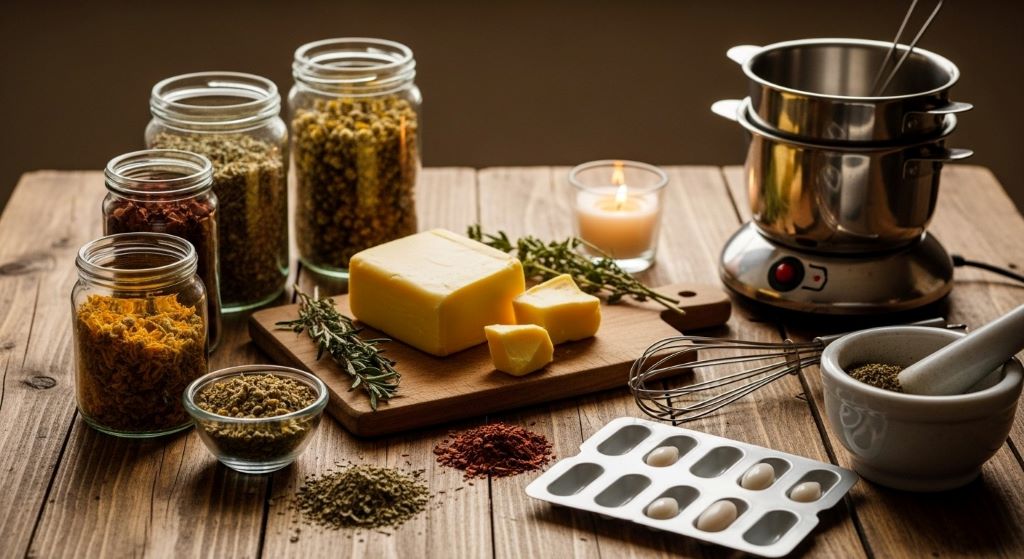
Creating suppositories requires a base material that remains solid at room temperature but melts easily inside the body. Cocoa butter is the most popular choice for homemade versions. It melts between 93 and 101 degrees Fahrenheit, making it perfect for this purpose.
Other base options include coconut oil, though it has a lower melting point. Some people prefer shea butter for its skin-soothing properties. However, cocoa butter remains the gold standard for consistency and reliability.
You’ll also need molds to shape your suppositories. Small silicone molds work well for this purpose. Ice cube trays designed for small portions can also be effective. Clean, food-grade molds ensure your finished products are safe to use.
Choosing Therapeutic Ingredients
The healing ingredients you add depend on your specific health goals. Many traditional recipes include herbs known for their beneficial properties. Calendula has been used for centuries to soothe irritation. Chamomile offers calming effects that many people appreciate.
Essential oils can add therapeutic value when used carefully. Tea tree oil has natural antimicrobial properties, according to research published by the National Institutes of Health. Lavender oil promotes relaxation and comfort. Nevertheless, essential oils must be properly diluted to avoid irritation.
Probiotic powder can support digestive and vaginal health when added to suppositories. Some people include vitamin E oil for its antioxidant benefits. Always research ingredients thoroughly before combining them.
Step-by-Step Instructions for Making Suppositories
Start by gathering all your materials in a clean workspace. Sterilize your molds by washing them with hot, soapy water and letting them air dry completely. This prevents contamination of your final product.
Measure out approximately two ounces of cocoa butter as your base. Place it in a double boiler or a heat-safe bowl over simmering water. Melt the cocoa butter slowly, stirring gently to ensure even heating. Avoid using direct heat, which can burn the butter and reduce its effectiveness.
Once the cocoa butter is fully melted, remove it from heat. Let it cool for about two minutes. This cooling period is important because adding ingredients to extremely hot bases can destroy their beneficial properties.
Add your chosen therapeutic ingredients during this cooling phase. For essential oils, use only one to three drops per ounce of base. Mix thoroughly but gently to distribute ingredients evenly throughout the mixture.
Pour the liquid carefully into your prepared molds. Fill each cavity about three-quarters full to allow for slight expansion. The mixture should be smooth and free of air bubbles.
Proper Cooling and Storage Methods
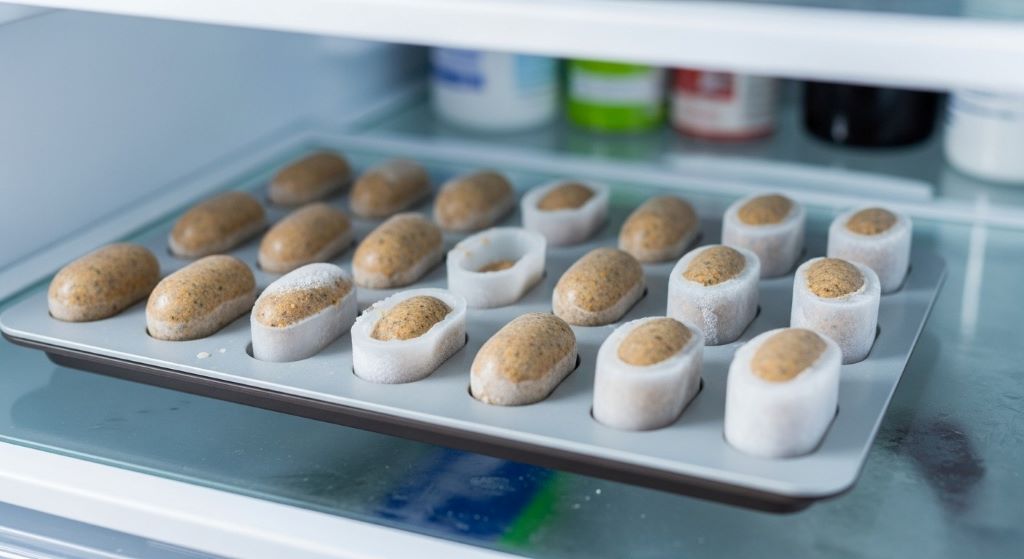
Place your filled molds in the refrigerator immediately after pouring. Let them set for at least two hours or until completely solid. Rushing this process can result in misshapen or partially formed suppositories.
Once solid, gently remove the suppositories from their molds. Wrap each one individually in wax paper or parchment paper. This prevents them from sticking together during storage.
Store your homemade suppositories in an airtight container in the refrigerator. They will keep for up to three months when properly stored. Mark the container with the date of creation and ingredients used. This helps you track freshness and remember what works best for you.
Some people prefer freezer storage for longer shelf life. However, refrigeration is usually sufficient for most home preparations. Keep suppositories away from heat sources to maintain their shape and potency.
Safety Considerations and Best Practices
Always start with high-quality, food-grade ingredients from reputable suppliers. Low-quality materials can contain contaminants or additives that may cause irritation. Additionally, organic ingredients reduce exposure to pesticides and chemicals.
Test any new ingredient on a small patch of skin before using it internally. This simple step can prevent allergic reactions. Wait 24 hours to see if any redness or irritation develops.
Maintain strict hygiene throughout the preparation process. Wash your hands thoroughly before handling ingredients. Use clean utensils and work surfaces to minimize contamination risks.
Never use suppositories if you have active infections, open wounds, or unexplained bleeding. These conditions require professional medical attention. Furthermore, pregnant women should consult healthcare providers before using homemade suppositories.
Traditional Healing Applications
Different cultures have used suppositories for various health concerns throughout history. According to traditional practices documented by Johns Hopkins Medicine, many herbs have been valued for their therapeutic properties when delivered through suppositories.
For digestive discomfort, some traditional recipes include peppermint oil or ginger. These ingredients may help soothe the digestive tract. Hemorrhoid relief often involves witch hazel or aloe vera in traditional formulations.
Women’s health applications might include calendula or probiotics for balance and comfort. Some traditions use garlic for its natural antimicrobial properties, though this can be quite strong.
Sleep support formulations sometimes incorporate magnesium or calming herbs like chamomile. These ingredients may promote relaxation when absorbed through suppository delivery.
When to Seek Professional Guidance
While homemade suppositories can be part of a wellness routine, they are not substitutes for medical treatment. Persistent symptoms always warrant professional evaluation. Moreover, serious conditions require diagnosis and treatment by qualified healthcare providers.
Consult with a naturopathic doctor or herbalist before starting any new wellness practice. These professionals can help you choose appropriate ingredients for your specific needs. They can also identify potential interactions with medications you may be taking.
If you experience burning, severe pain, or unusual discharge after using a suppository, discontinue use immediately. These symptoms may indicate an allergic reaction or irritation. Seek medical attention if symptoms persist or worsen.
Conclusion
Making homemade suppositories allows you to take an active role in your wellness journey using traditional healing methods. By understanding the basics of ingredient selection, proper preparation techniques, and safety guidelines, you can create effective products at home. Remember to start with simple recipes, use high-quality ingredients, and store your creations properly. However, always prioritize safety and consult healthcare professionals when dealing with persistent or serious health concerns. With careful attention to detail and respect for traditional wisdom, DIY suppositories can become a valuable addition to your natural health toolkit.
Frequently Asked Questions
What is the shelf life of homemade suppositories?
Homemade suppositories typically last two to three months when stored properly in the refrigerator. Keep them in an airtight container and wrapped individually to maintain freshness. Always check for changes in color, smell, or texture before use.
Can I use regular coconut oil instead of cocoa butter?
Yes, coconut oil can work as a base, but it has a lower melting point than cocoa butter. This means it may melt too quickly or feel less stable. For best results, use refined cocoa butter or a combination of both oils.
How do I know if I’m allergic to ingredients in suppositories?
Perform a patch test on your inner arm before using any new ingredient internally. Apply a small amount and wait 24 hours for any reaction. Start with minimal amounts of active ingredients in your first batch.
Are homemade suppositories safe for children?
Children’s bodies are more sensitive than adults, so extra caution is necessary. Always consult a pediatrician before using any homemade preparations on children. Professional guidance ensures appropriate ingredients and dosages for young ones.
What’s the difference between rectal and vaginal suppositories?
Both types use similar base materials, but vaginal suppositories often include specific ingredients for pH balance and women’s health. Rectal suppositories typically focus on digestive support or systemic absorption. Never use rectal suppositories vaginally or vice versa.
Related Topics:
Five Essential Health Apps for a Balanced Lifestyle