
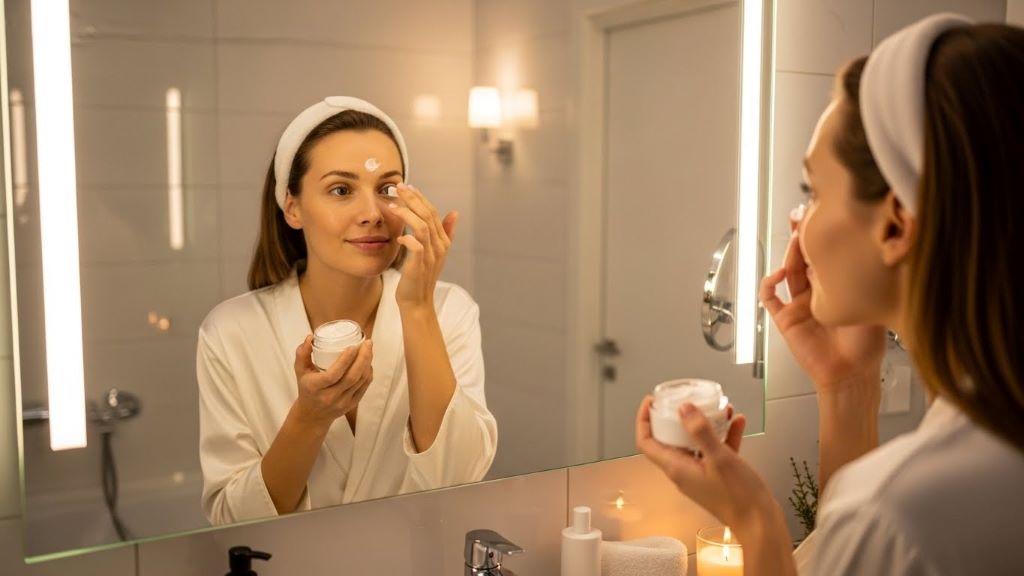
Nighttime Rituals for Brighter Glowing Skin
Your skin works hardest while you sleep. During nighttime hours, your body repairs damage and regenerates cells. Therefore, establishing effective evening skincare rituals can transform your complexion. This guide explores proven nighttime practices that promote brighter, healthier, and more radiant skin.
Why Nighttime Skincare Matters
Your skin undergoes significant changes during sleep. Cell regeneration increases dramatically between 10 PM and 2 AM. Additionally, skin loses more water at night, making hydration crucial. Blood flow to the skin also increases during rest periods.
Nighttime offers the perfect opportunity for intensive treatments. Your skin has no exposure to sunlight, pollution, or makeup. Consequently, active ingredients can work more effectively without environmental interference. According to Harvard Health Publishing, proper nighttime skincare supports your skin’s natural repair processes.
Furthermore, consistent evening routines help regulate your skin’s circadian rhythm. This internal clock influences various skin functions. Supporting this rhythm leads to better overall skin health.
Remove Makeup and Impurities Thoroughly
Cleansing represents the most important step in any nighttime routine. Sleeping with makeup clogs pores and prevents proper skin regeneration. Moreover, daily pollutants accumulate on your skin throughout the day.
Start with a gentle makeup remover or cleansing oil. These products dissolve stubborn makeup, sunscreen, and excess sebum. Massage the cleanser onto dry skin for one minute. Then, rinse with lukewarm water.
Follow with a water-based cleanser suited to your skin type. This second cleanse removes any remaining residue. The double cleansing method ensures truly clean skin. However, avoid harsh soaps that strip natural oils.
Pat your face dry with a clean towel. Never rub aggressively, as this can irritate skin and cause premature wrinkles. Additionally, use fresh towels regularly to prevent bacteria buildup.
Apply Toner to Balance and Prep
Toner restores your skin’s pH balance after cleansing. It also prepares your skin to absorb subsequent products more effectively. Choose alcohol-free formulas that hydrate rather than dry out your skin.
Pour toner onto a cotton pad or your clean hands. Gently press it into your skin rather than wiping. This patting motion increases absorption and prevents unnecessary friction.
Hydrating toners contain ingredients like hyaluronic acid or glycerin. These humectants draw moisture into your skin. Meanwhile, exfoliating toners with gentle acids help remove dead skin cells. Alternate between types based on your skin’s current needs.
Wait 30 seconds before moving to the next step. This allows the toner to fully absorb and work its magic.
Incorporate Targeted Serums
Serums deliver concentrated active ingredients deep into your skin. Nighttime is ideal for using potent formulations that brighten and repair. These lightweight products penetrate better than heavier creams.
Vitamin C serums help fade dark spots and boost radiance. They also protect against free radical damage. Apply vitamin C after toning for maximum effectiveness. However, some people prefer using it in the morning instead.
Retinol stands as the gold standard for anti-aging and skin renewal. This vitamin A derivative increases cell turnover and stimulates collagen production. Start with a low concentration if you are new to retinol. Gradually increase strength as your skin builds tolerance.
Niacinamide offers multiple benefits for glowing skin. It reduces inflammation, minimizes pores, and evens skin tone. Additionally, niacinamide works well with most other ingredients. This makes it an excellent addition to any routine.
Apply serums from thinnest to thickest consistency. Use gentle pressing motions rather than rubbing. Allow each serum to absorb for one minute before layering the next product.
Moisturize to Lock in Hydration
Moisturizer seals in all the beneficial ingredients you have applied. It also prevents transepidermal water loss during sleep. Choose a formula appropriate for your skin type and concerns.
Dry skin benefits from rich, creamy moisturizers with ceramides and fatty acids. These ingredients strengthen your skin’s natural barrier. Oily skin types should opt for lightweight, oil-free gel moisturizers instead.
Night creams often contain higher concentrations of active ingredients than day creams. They work intensively while your skin is in repair mode. Look for ingredients like peptides, antioxidants, and plant extracts.
Apply moisturizer using upward, outward motions. This technique promotes lymphatic drainage and prevents sagging. Pay special attention to dry areas like cheeks and around the mouth.
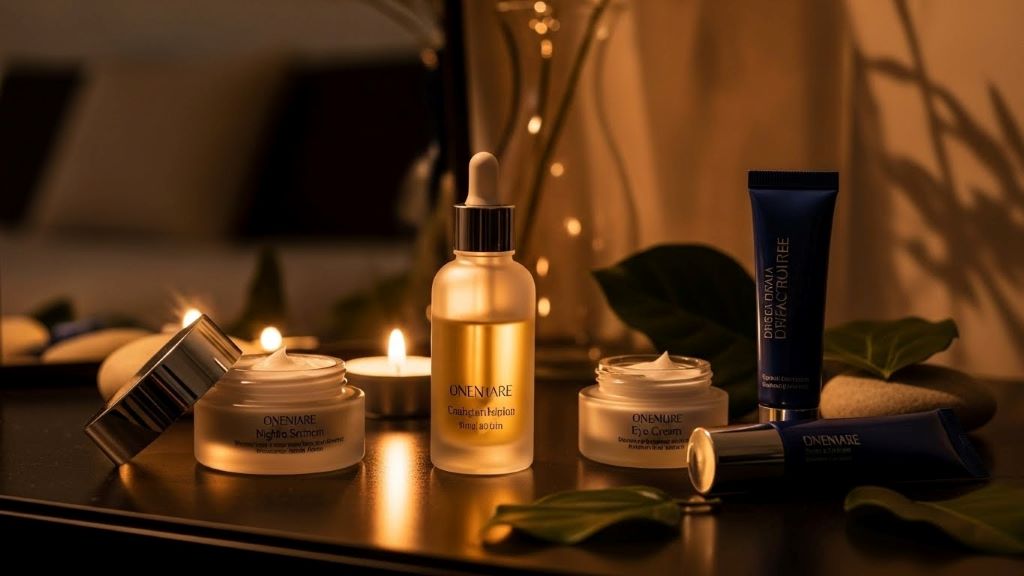
Add Eye Cream for Delicate Areas
The skin around your eyes is thinner and more sensitive than the rest of your face. Therefore, it requires specialized care. Eye creams address concerns like dark circles, puffiness, and fine lines.
Use your ring finger to apply eye cream. This finger applies the gentlest pressure. Dot the product along your orbital bone, avoiding direct contact with your eyes.
Caffeine-based eye creams reduce puffiness by constricting blood vessels. Vitamin K helps diminish dark circles. Meanwhile, peptides and retinol target fine lines and wrinkles. Choose formulas based on your primary concerns.
Gently pat the eye cream until fully absorbed. Never pull or tug at this delicate skin. Additionally, apply eye cream at least 30 minutes before bed to prevent product migration into eyes.
Use a Humidifier for Overnight Hydration
Environmental factors significantly impact your skin’s moisture levels. Indoor heating and air conditioning remove humidity from the air. This leads to increased water loss from your skin.
A bedroom humidifier adds moisture back into the air while you sleep. This simple tool helps maintain your skin’s hydration throughout the night. Consequently, you wake up with plumper, more radiant skin.
Aim for humidity levels between 30 and 50 percent. Higher levels can promote mold growth. Clean your humidifier regularly to prevent bacteria buildup. Fresh, clean moisture provides the best benefits.
Position the humidifier a few feet from your bed. This ensures even moisture distribution without making your bedding damp. Additionally, use distilled water to prevent mineral deposits.
Sleep on Silk or Satin Pillowcases
Your pillowcase affects your skin more than you might realize. Cotton pillowcases absorb moisture and create friction against your skin. This can lead to dehydration and sleep lines that become permanent wrinkles over time.
Silk and satin pillowcases glide smoothly against your skin. They cause less friction and help retain your skin’s natural moisture. Furthermore, these materials do not absorb your skincare products as cotton does.
Change your pillowcase at least twice weekly. Clean pillowcases prevent bacteria, oil, and dead skin cells from transferring back to your face. This simple habit reduces breakouts and keeps skin clearer.
Silk pillowcases also benefit your hair by reducing breakage and frizz. Therefore, this investment improves both your skin and hair health simultaneously. According to The New York Times, quality silk pillowcases provide measurable benefits for skin and hair.
Practice Facial Massage Techniques
Facial massage stimulates blood circulation and promotes lymphatic drainage. These effects reduce puffiness and enhance your natural glow. Additionally, massage helps skincare products penetrate more deeply.
Start at your chin and work upward with gentle, sweeping motions. Use your fingertips or a facial massage tool like a gua sha stone. Apply light pressure and always move in upward directions.
Focus on areas prone to tension, such as your jawline and temples. Release this tension through gentle circular motions. Massage also promotes relaxation, which supports better sleep quality.
Perform facial massage for five minutes before bed. This brief practice yields significant benefits over time. However, avoid aggressive pressure that can damage delicate facial tissues.
Apply Overnight Masks Weekly
Overnight masks provide intensive treatment while you sleep. These products contain higher concentrations of active ingredients than regular moisturizers. Using them once or twice weekly boosts your skin’s radiance.
Hydrating overnight masks replenish moisture in dry, dull skin. They often contain hyaluronic acid, plant oils, and botanical extracts. Wake up to noticeably softer, more supple skin.
Brightening overnight masks target hyperpigmentation and uneven tone. Look for ingredients like vitamin C, licorice root extract, and alpha arbutin. These formulas work gradually to reveal a more luminous complexion.
Apply overnight masks as the final step in your routine. Use them instead of, not in addition to, your regular night cream. Follow product instructions regarding frequency of use.
Get Adequate Quality Sleep
All the skincare products in the world cannot replace quality sleep. Your body performs essential repair work during deep sleep stages. Insufficient sleep shows immediately in your skin’s appearance.
Aim for seven to nine hours of sleep nightly. Maintain a consistent sleep schedule by going to bed at the same time each night. This regularity supports your skin’s circadian rhythm.
Create a sleep-friendly environment by keeping your bedroom cool, dark, and quiet. Reduce screen time at least one hour before bed. Blue light from devices can interfere with your natural sleep cycle.
Elevate your head slightly to prevent fluid accumulation around your eyes. This reduces morning puffiness. Additionally, sleeping on your back minimizes contact between your face and pillow.
Stay Hydrated Throughout the Day
Hydration begins from within. Drinking adequate water throughout the day ensures your skin has moisture to retain overnight. Dehydrated skin appears dull and emphasizes fine lines.
Consume at least eight glasses of water daily. However, individual needs vary based on activity level and climate. Herbal teas and water-rich foods also contribute to hydration.
Avoid excessive alcohol and caffeine in the evening. These substances dehydrate your body and disrupt sleep quality. Instead, choose calming herbal teas like chamomile or lavender.
Keep a glass of water on your nightstand. Taking small sips if you wake during the night maintains hydration levels. Furthermore, drinking water first thing in the morning jumpstarts your metabolism.
Manage Stress for Healthier Skin
Stress directly impacts your skin’s appearance and health. Elevated cortisol levels trigger inflammation and breakouts. Additionally, stress disrupts sleep and accelerates aging.
Incorporate relaxation techniques into your evening routine. Meditation, deep breathing, or gentle yoga calm your nervous system. These practices prepare your body for restorative sleep.
Journaling before bed helps process daily stressors. Write down concerns and tomorrow’s tasks to clear your mind. This mental decluttering promotes more peaceful sleep.
Create boundaries around work and technology in the evening. Dedicate the last hour before bed to relaxing activities. This transition time signals your body that rest is approaching.
Maintain Consistency for Best Results
Skincare results require patience and consistency. Visible improvements typically appear after four to six weeks of regular use. Therefore, commit to your nighttime ritual even when immediate results are not obvious.
Track your progress with photos taken in consistent lighting. Monthly comparisons reveal gradual improvements that daily observations might miss. This documentation also helps identify which products work best.
Adjust your routine seasonally as your skin’s needs change. Winter may require richer moisturizers, while summer benefits from lighter formulas. Listen to your skin and adapt accordingly.
Avoid constantly switching products unless you experience irritation. Giving products adequate time to work prevents unnecessary confusion about what helps your skin. However, discontinue any product that causes persistent problems.
Conclusion
Establishing effective nighttime rituals transforms your skin’s health and appearance. By thoroughly cleansing, applying targeted treatments, and supporting your skin’s natural repair processes, you can achieve a brighter, more radiant complexion. Remember that consistency matters more than perfection. Start with basic steps like proper cleansing and moisturizing, then gradually incorporate additional treatments. Quality sleep, adequate hydration, and stress management enhance your skincare efforts from within. With dedication to your evening routine, you will wake up to glowing, healthier skin each morning.
Frequently Asked Questions
What is the most important step in a nighttime skincare routine?
Thorough cleansing is the most crucial step in any nighttime routine. Removing makeup, sunscreen, and daily impurities allows your skin to breathe and regenerate properly. Without clean skin, other products cannot absorb effectively, making cleansing the foundation of glowing skin.
Can I use the same products at night that I use in the morning?
While some products work for both morning and night, certain ingredients perform better at specific times. Retinol and strong exfoliants suit nighttime use when your skin is not exposed to sunlight. Conversely, sunscreen is essential for daytime only. Adapt your routine to maximize each product’s effectiveness.
How long should my nighttime skincare routine take?
A complete nighttime routine typically takes 10 to 15 minutes. This includes cleansing, toning, applying serums, moisturizing, and eye cream. However, the time investment varies based on how many steps and products you incorporate. Quality matters more than speed.
When will I see results from my nighttime skincare routine?
Most people notice initial improvements within two to four weeks of consistent use. However, significant changes like reduced hyperpigmentation or fine lines require six to twelve weeks. Cell turnover and collagen production occur gradually, so patience and consistency yield the best results.
Should I change my nighttime routine as I age?
Yes, your skincare needs evolve with age. Younger skin may focus on prevention and basic hydration. Mature skin benefits from targeted anti-aging ingredients like retinol, peptides, and richer moisturizers. Adjust your routine every few years to address changing concerns and maintain optimal skin health.
Related Topics:
How to Make Skin Glow: Tips for Radiant and Healthy Skin
Discover the Surprising Benefits of Moor Mud in Spa Treatments